

How Children Learn to Listen
Children begin learning to listen long before they can speak. Listening helps them understand sounds, voices, words, and routines. As they grow, they learn participate in conversation, enjoy stories, and follow directions. This site highlights the importance of listening in communication and how it develops from birth to age five.

Noticing Sounds (Birth–12 Months)
Babies begin by picking up on commonplace sounds, such as toys, music, speech, and other sounds. They turn their heads towards familiar voices and respond to tone and emotion. They are better able to comprehend that sounds have meaning because of this early awareness (Owens, 2020).
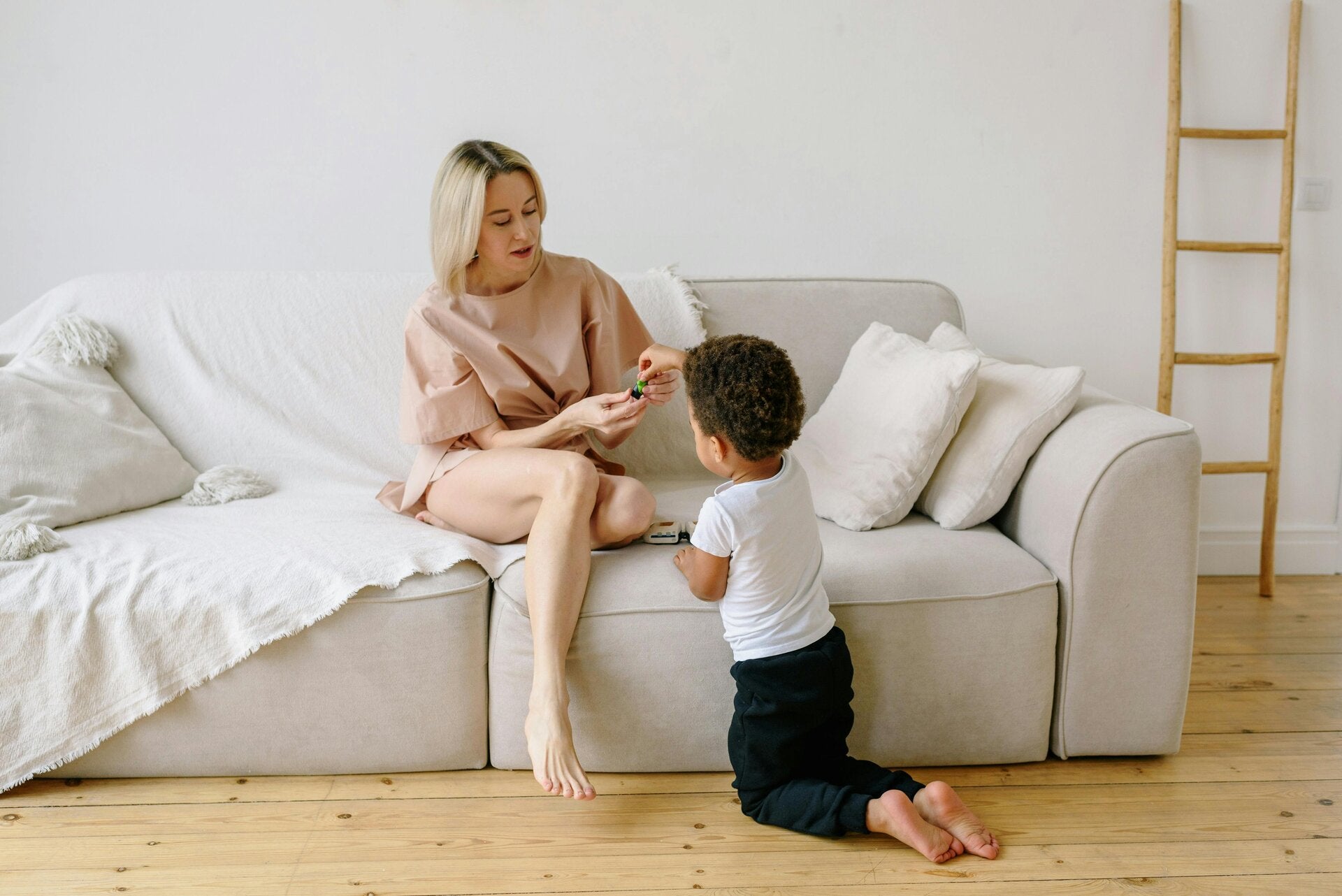
Understanding Simple Words (1–2 Years)
children begin to understand simple words and short instructions like " come here" or give me the ball". They listen for familiar names, routines and phrases. They are able to relate words to things and actions through listening (Johnston, 2010).

Listening to Short Sentences (2–3 Years)
Children understand short sentences and enjoy listening to simple stories. They start following two step directions like "get your shoes and come to the door". Their attention span grows, and they listen for longer periods (Hansen & Broekhuizen, 2021).

Listening for Meaning (3–5 Years)
Children listen to longer stories, conversations, and explanations. They ask inquires to learn more and comprehend increasingly complicated instructions. Listening helps them build vocabulary, solve problems, and communicate with others (Eadie et al., 2021).
Listening is the foundation for learning language. It helps children understand words, follow routines, and build strong relationships. When children listen well, they communicate better, learn faster, and feel more confident in everyday situations.
Create Your Own Website With Webador